Aviation
Trained at Royhle Aviation Academy in the Philippines, where I progressed from initial flight training through commercial, instrument, and multi-engine qualifications.
Aviation is more than a career for me. It's where my curiosity about machines, systems, decision-making, and continuous learning comes together. I'm eager to keep learning, build experience, and keep progressing toward the airline cockpit.
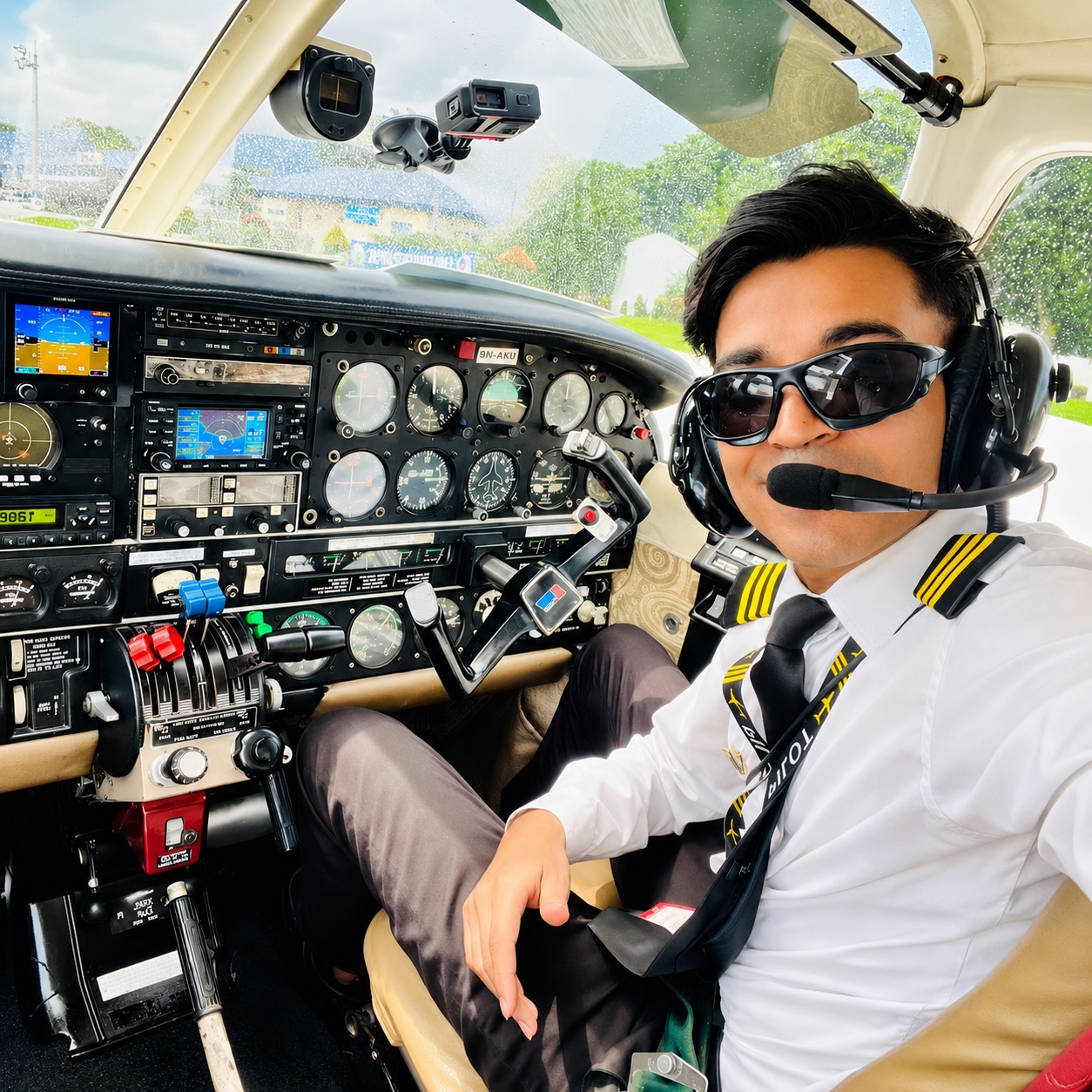
Flight training & qualifications
SPL
Student Pilot License
PPL
Private Pilot License
CPL
Commercial Pilot License
IR
Instrument Rating
MER
Multi-Engine Rating
Frozen ATPL
Airline Transport Pilot pathway
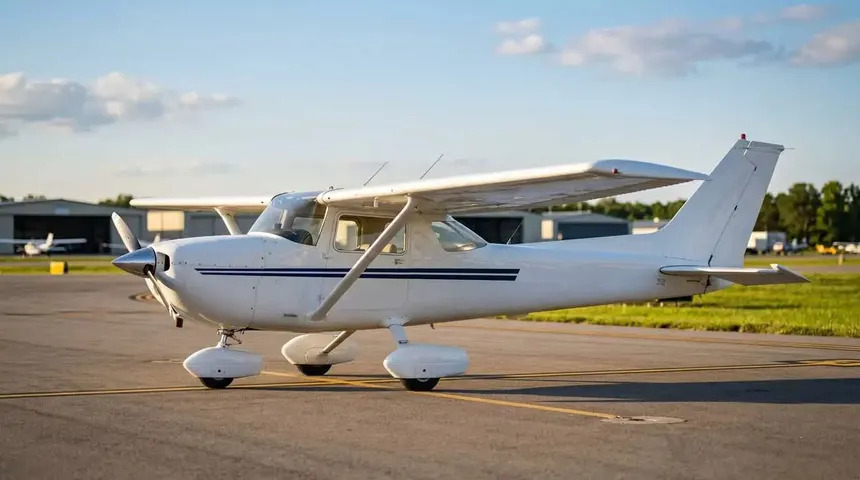
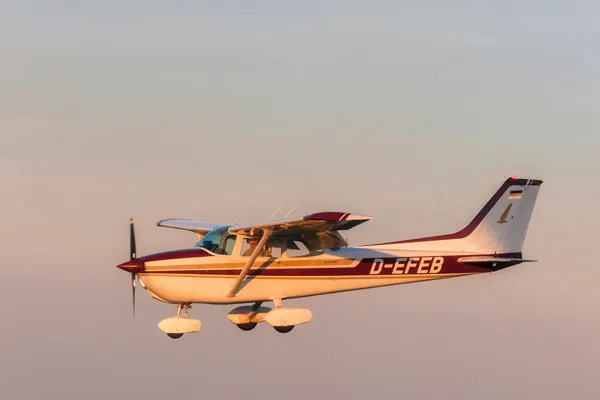
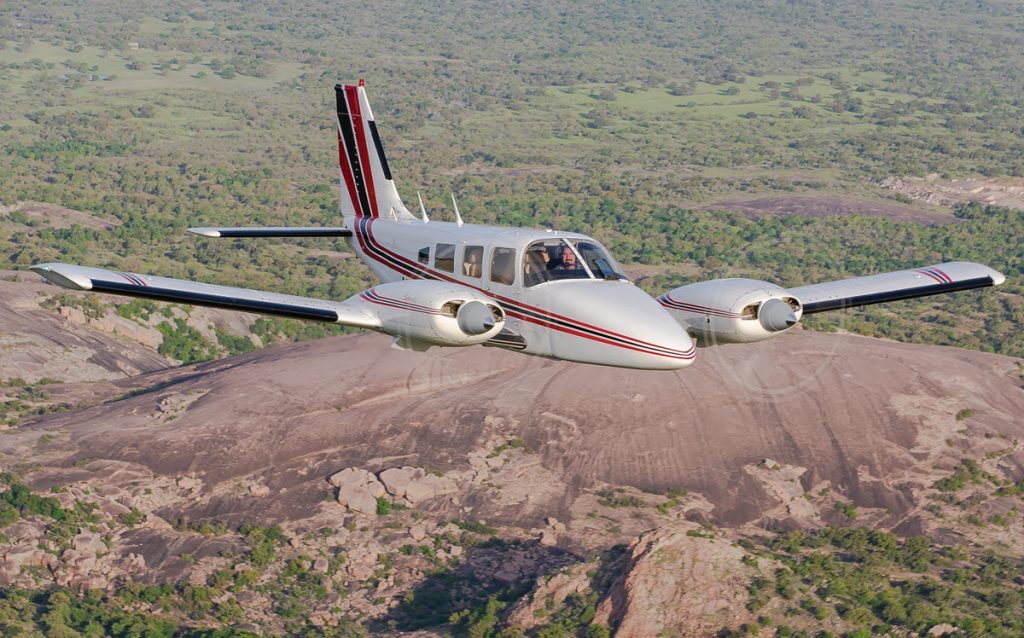
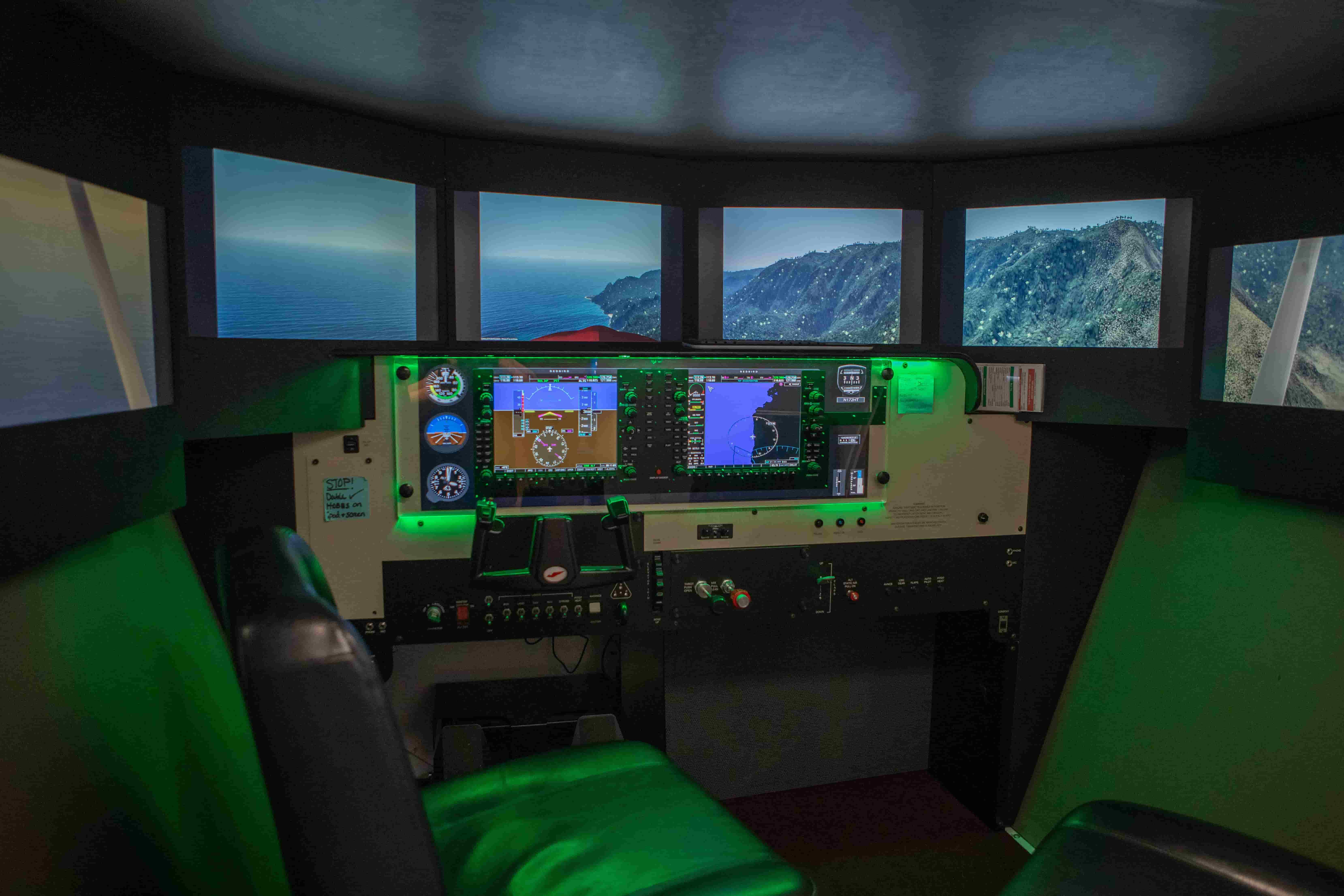
Aircraft & simulator
Flight skills
Crosswind landings
Wind correction, approach alignment, and landing technique in crosswind conditions.
Forward slips
Controlled descent and aircraft handling using forward slips.
Side slips
Side-slip technique for crosswind correction and runway alignment on landing.
Stall recovery
Recognizing and recovering from stalls while keeping the aircraft under control.
Engine failure procedures
Simulated engine failures in the C152, C172, and PA-34 — aircraft control, landing-area selection, and emergency drills.
Emergency procedures
Responding to simulated abnormal situations while prioritizing control, awareness, and safe decisions.
Core skills
Safety first
Preparation, procedures, risk awareness, and sound decision-making on every flight.
Crew resource management
Communication, teamwork, coordination, and workload management in the cockpit.
Situational awareness
Tracking the aircraft, weather, traffic, instruments, and the wider operational picture.
Workload management
Handling multiple cockpit tasks while holding priorities, accuracy, and safety.
Communication
Clear exchange with crew, ATC, instructors, and other aviation personnel.
Decision making
Assessing the situation, weighing options, and making structured, safety-focused calls.
Instrument flying
Flying on instruments and procedures when visual references are limited.
Aircraft handling
Precise control through takeoffs, landings, maneuvering, and changing conditions.
Adaptability
Staying calm and effective when weather, workload, or conditions shift.
Discipline & attention to detail
Following procedures accurately while watching the details that matter.
Continuous learning
A standing willingness to learn, take feedback, and build new knowledge.
My goal is not simply to reach the cockpit. It's to keep learning until I become the pilot I aspire to be.
Safety, discipline, continuous learning, and sound decision-making will always be at the foundation of that journey.